
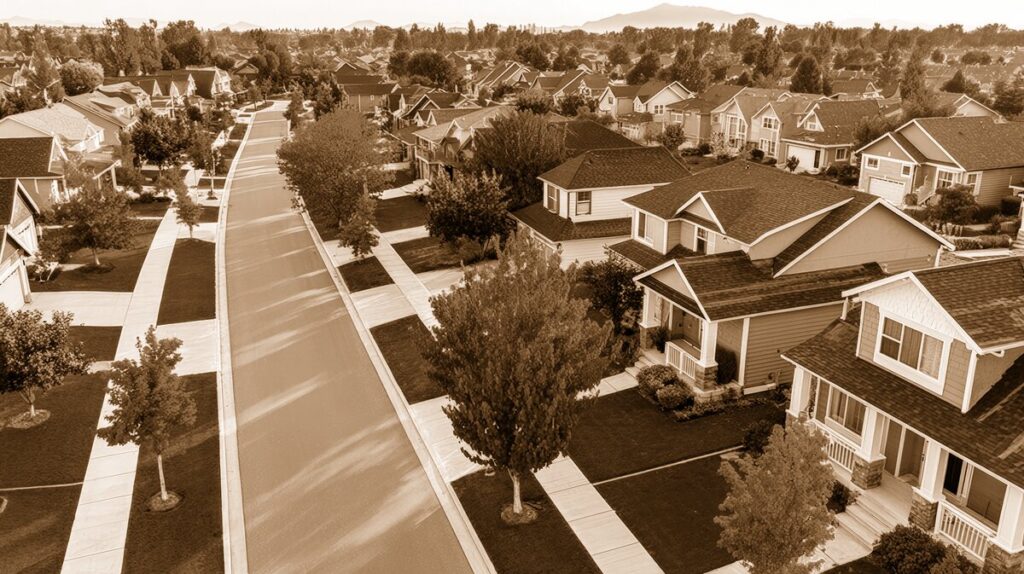
Nestled in the heart of Rochester, Minnesota, the Folwell neighborhood stands as a living chronicle of the city's past, present, and promising future. With tree-lined streets, welcoming homes, and a profound sense of community, Folwell’s story is woven into the very fabric of Rochester. Whether you're a long-standing resident or new to the area, understanding Folwell’s origins and unique character reveals why this neighborhood is so beloved.
Early Beginnings: Folwell’s Founding Story
The story of Folwell begins in the early 20th century, just as Rochester itself was bursting with new energy thanks to the Mayo Clinic's global reputation and the city’s expanding railroads. Folwell’s origins trace back to 1918, when Dr. William Watts Folwell, an esteemed educator and the University of Minnesota's first president, was honored by having this budding district named after him. Dr. Folwell worked tirelessly to ensure educational opportunities flourished not just in Minneapolis, but across all of Minnesota, making his name a fitting emblem for a neighborhood dedicated to growth and community spirit.
Streets that Tell Stories
Folwell’s blocks are full of stories, from the early days of its development to the rich tapestry of families that call it home today. Bounded roughly by Civic Center Drive NW to the north, 2nd Street SW to the south, 1st Avenue SW to the east, and 7th Avenue SW to the west, the area features some of the most charming streets in the city:
- 3rd Avenue SW and 6th Street SW: Known for stately early-1900s homes with gracious porches and tall maples.
- 4th Avenue SW: A stretch that retains vintage charm, where neighbors greet each other on evening walks.
- Memorial Parkway: A tree-lined road notable for its proximity to Folwell School and for acting as a gathering point for community festivities.
Key Historical Milestones
Throughout its lifetime, Folwell has seen moments of change and tradition:
- 1920s-1930s: The first wave of houses rose, many of which still stand with their original woodwork and leaded glass windows. These homes were built for teachers, doctors, and railway employees seeking a peaceful refuge just west of downtown.
- Post-World War II Expansion: Folwell welcomed new families, with city planners extending the grid of streets and investing in community life.
- Civil Rights Era: Folwell, like much of Rochester, was shaped by waves of social change, becoming more diverse and inclusive as new residents arrived from around the country—and the world.
Notable Landmarks and Institutions
From the start, Folwell was shaped by cornerstone institutions and unique buildings:
- Folwell Elementary School: Opened in 1931, this stately school at 603 15th Avenue SW became a focal point of neighborhood pride, its graceful red brick architecture standing out among the area’s early homes. Generations of children have gathered here for learning and local events, making it the heart of Folwell.
- Soldiers Field Memorial Park: Though technically just a touch southeast of Folwell, this sprawling green space is a neighborhood favorite. Its walking paths, veterans memorials, and athletic fields have drawn families for nearly a century.
- Historic Churches: Places like Trinity Lutheran Church (222 6th Avenue SW) have served as community anchors, hosting everything from worship to summer picnics and holiday fairs.
- Oldest Homes: Scattered throughout, early craftsman bungalows and Colonial Revival houses have been lovingly preserved or restored—silent witnesses to the evolution of Folwell.
Evolution Through the Decades
What truly sets Folwell apart is how it has managed to honor its past while welcoming the future:
- 1970s-1980s: Calls for historic preservation took hold, as residents resisted the replacement of classic homes by modern structures. Community groups regularly organized neighborhood cleanups and festivals.
- 1990s-Present: Folwell became a model of urban revitalization—balancing careful renovation and new construction. Community pride deepened thanks to block parties, walking tours, and neighborhood associations.
- Today: Folwell boasts a rich diversity, with residents from many backgrounds shaping a vibrant, neighborly spirit. The area’s central location has brought new shops and cafes, all while maintaining a quiet, residential charm.
A Neighborhood That Endures
Folwell continues to thrive due to its residents' commitment to connection and care. Regular events—like the annual Folwell Neighborhood Night, plant swaps in spring, or holiday decorating contests—bring old and new neighbors together on streets where children ride bikes just as they did in decades past.
With lush maple trees arching over sidewalks and historic homes thoughtfully renovated for new generations, Folwell encapsulates what makes Rochester special: honor for history, enthusiasm for the present, and optimism for the future.
If you stroll through Folwell today—perhaps down the leafy stretch of 8th Avenue SW, or visiting Folwell Elementary’s restored playground—you’re walking through living history. In every garden, on every porch, and along every block, the enduring spirit of the Folwell neighborhood shines.